When a Tooth Gets Damaged: Steps to Take Right Away
March 27, 2026 | By Olive Family Dentistry | Read Time : 5 min

Tooth damage doesn’t wait for a convenient time. It happens mid-meal, during a game, in a fall, or out of nowhere. One second, everything feels normal; the next second, you’re dealing with pain, bleeding, or a fractured tooth, and trying to figure out what to do.
We see this often at Olive Family Dentistry. People come in stressed, sometimes panicked, unsure if they made the right moves before getting to us. And the truth is, what you do in those first few minutes matters more than most people think.
So let’s walk through it clearly. No fluff. Just what you should actually do when dental accidents happen.
First Step: Stay Calm and Check the Damage
Easier said than done, but important.
Not every injury is the same. Some involve small chips, others include deep cracks, knocked-out teeth, or heavy bleeding. Before doing anything else, take a quick look.
Ask yourself:
- Is the tooth broken or just chipped?
- Is there bleeding?
- Is the tooth loose or completely out?
- How bad is the pain?
This helps you decide how urgent things are. But in most cases, you’ll still need an emergency dentist to properly assess the situation.
If There’s Bleeding, Handle That First
One of the most common concerns after dental accidents is bleeding. It can look worse than it is, but it still needs attention.
For stopping oral bleeding, do this:
- Take clean gauze or cloth
- Apply gentle pressure to the area
- Hold it in place for 10–15 minutes
- Keep your head slightly elevated
Avoid constantly checking the area. Give it time to clot.
If bleeding doesn’t slow down after consistent pressure, that’s a sign you need urgent care.
What to Do With a Fractured or Broken Tooth
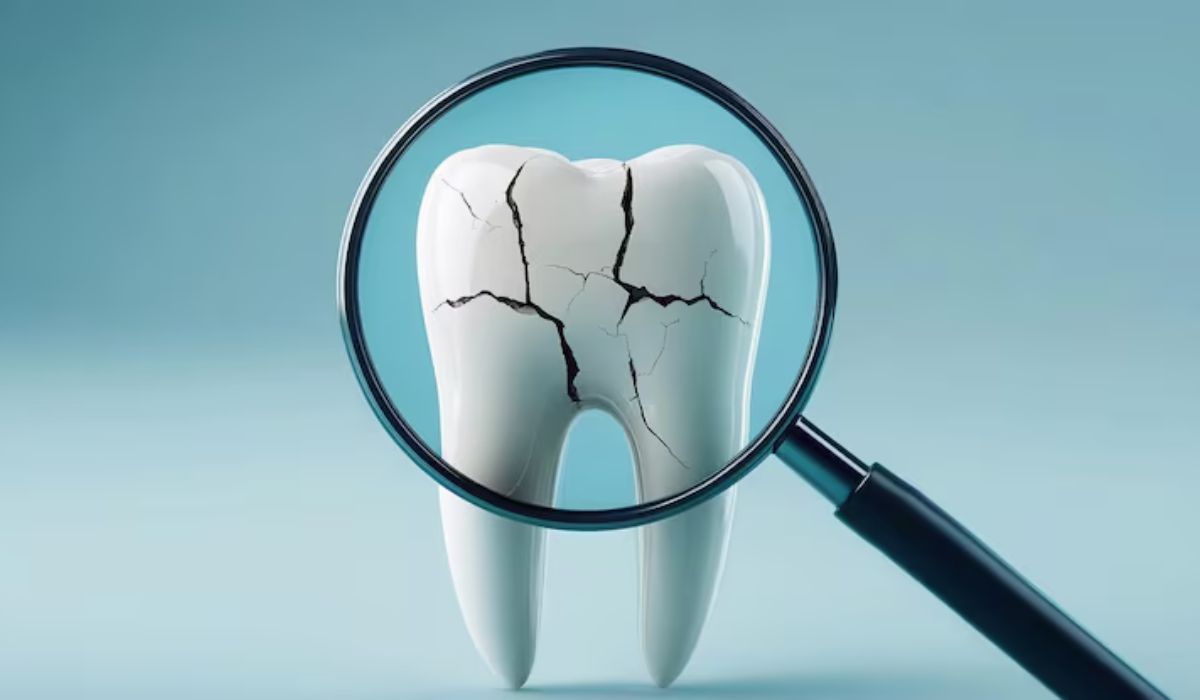
A fractured tooth can range from a small chip to a deep crack exposing nerves.
Here’s what helps immediately:
- Rinse your mouth with warm water
- Save any broken pieces if possible
- Avoid chewing on that side
- Use a cold compress on the outside of your cheek
Pain can vary. Sometimes it’s mild, sometimes sharp and constant. Either way, it needs professional care quickly.
If a Tooth Gets Knocked Out
This is one of the more serious types of dental accidents.
If the tooth is fully out:
- Pick it up by the crown (not the root)
- Rinse gently with water if dirty
- Do NOT scrub it
- Try placing it back in the socket if possible
- If not, store it in milk or saliva
Time matters here. The faster you get to an emergency dentist, the better the chances of saving the tooth.
Managing Pain Until You See a Dentist
Pain is usually what pushes people to seek help quickly.
For controlling pain after tooth damage, you can:
- Use a cold compress
- Take over-the-counter pain relief
- Avoid very hot or cold foods
- Stay away from hard or crunchy foods
Pain is your body’s signal that something isn’t right. Don’t ignore it or try to “wait it out” too long.
Why You Shouldn’t Delay Treatment
Some people think, “It’s just a small chip, I’ll deal with it later.”
That delay can turn a simple fix into something bigger.
Untreated damage can lead to:
- Infection
- Increased pain
- Further cracking
- Tooth loss
In some cases, ignoring damage leads to needing affordable dental implants and dentures later on because the natural tooth cannot be saved.
Early care is always easier.
What Happens at the Dental Visit
When you come in after an accident, we don’t guess. We check everything properly.
That usually includes:
- Visual examination
- Checking tooth stability
- Evaluating gum condition
- Taking dental X-rays for trauma
X-rays help us see what’s happening beneath the surface. Sometimes damage isn’t visible from the outside.
From there, we recommend the right treatment. Could be a simple fix. Could be something more involved. But you’ll know exactly what’s going on.
The Role of Preventive Care
Accidents can’t always be avoided. But some risks can be reduced.
Things that help:
- Wearing mouthguards during sports
- Avoid using teeth as tools
- Being careful with hard foods
- Keeping up with regular dental checkups
Routine visits help us spot weak areas early. Teeth that are already compromised are more likely to break under pressure.
Our Approach at Olive Family Dentistry
At Olive Family Dentistry, we handle dental accident situations regularly. We know people come in worried, sometimes in pain, sometimes unsure of what’s next.
We keep things simple:
- Assess the situation quickly
- Explain what’s happening clearly
- Focus on saving the natural tooth when possible
- Offer practical solutions if replacement is needed
If a tooth can’t be saved, we guide patients through options like affordable dental implants and dentures without making it overwhelming.
Patients often search for the best dentist when something goes wrong. What matters most in those moments is clear communication and steady care. That’s what we focus on.
Final Thoughts
Tooth damage is stressful. No way around that.
But knowing how to handle dental accidents makes a real difference. Acting quickly, managing bleeding, protecting the tooth, and getting professional care as soon as possible can change the outcome completely.
If something happens, don’t overthink it. Take the first steps, then get to a dentist.
At Olive Family Dentistry, we’re here to help you handle it calmly and get your smile back on track.
FAQs
1. What procedures does Olive Family Dentistry use to manage dental emergencies with both speed and safety?
At Olive Family Dentistry, we treat dental accidents as urgent cases, focusing on quick assessment, pain control, and preserving the natural tooth whenever possible. Our team uses proper diagnostics, including dental X-rays, to evaluate damage and provide the most effective treatment without unnecessary delays or confusion.
2. What should I do immediately after a fractured tooth?
If you have a fractured tooth, rinse your mouth with warm water, apply a cold compress to reduce swelling, and avoid chewing on that side. Try to save any broken pieces if possible. You need to visit a dentist immediately because it will help prevent further harm and stop infections from developing in your damaged tooth.
3. How can I help with stopping oral bleeding after a dental injury?
The proper method to stop oral bleeding requires applying firm pressure with clean gauze or cloth for at least 10 to 15 minutes. You need to keep your head elevated while you stop any disturbance to the clot. People should receive emergency dental treatment when their bleeding continues after maintaining consistent pressure.
4. When should I see an emergency Dentist after tooth damage?
Emergency dentists need to treat patients whose dental emergencies create severe pain, heavy bleeding, missing teeth, and damaged teeth. The dentist needs to provide immediate treatment because it increases the chances that the tooth will survive, and it will prevent future dental problems that require more extensive procedures.