Can a Knocked-Out Tooth From Sports Be Saved?
May 27, 2026 | By Olive Family Dentistry | Read Time : 5 min
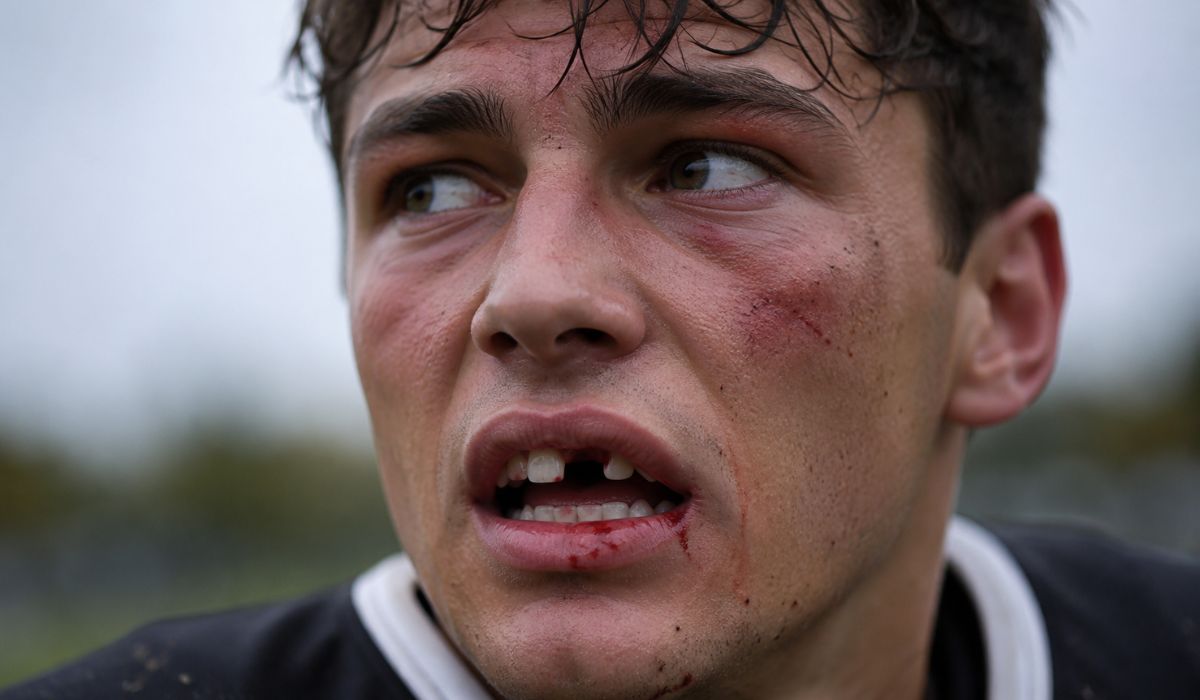
Nobody expects a game to end with a tooth in someone’s hand, but it happens more than people think. Most players and parents panic because they don’t know if the tooth can still be saved.
A lot of sports dental injuries get worse before the patient even reaches an emergency dentist. People store the tooth the wrong way or wait too long to get help.
Sometimes the tooth can still be saved. It depends on what happens in those first few minutes after the injury.
Why Speed Matters So Much
When a tooth gets knocked out completely, the root usually comes out with it. The outside surface of the root has living tissue attached to it, and that tissue starts drying out once the tooth is sitting outside the mouth for too long. That’s why fast action matters so much during an emergency dental treatment due to sports injury.
A lot of people think they can wait until the next day because the bleeding slows down or the pain becomes manageable. The problem is that the tooth may no longer be salvageable by then. In many cases, dentists try to place the tooth back as quickly as possible because the chances drop with every passing minute.
We’ve seen situations where people did almost everything right except one small thing, like wrapping the tooth dry in tissue paper. That alone can affect the outcome.
What You Should Do Right Away
The first response matters more than most people realise. Some simple steps can improve the chances of saving the tooth before reaching the dental office.
These are the basic tooth avulsion first aid steps:
- Pick the tooth up by the top part only
- Avoid touching or scrubbing the root
- Rinse it gently if dirt is present
- Do not use soap or chemicals
- Try placing the tooth back into the socket if possible
- If not, keep it in milk while travelling to the dentist
One mistake people make during dental injuries in sports is storing the tooth dry or cleaning it aggressively because they think they’re helping. A damaged root surface makes reattachment harder later.
Not Every Knocked-Out Tooth Can Be Saved
This is the part people usually don’t want to hear. Sometimes the tooth cannot be saved, even if the patient gets to the dentist quickly. The impact may have damaged the root badly, fractured the surrounding bone, or injured the gums enough to affect healing.
Several things affect the outcome:
- How long the tooth stayed out
- How the tooth was handled
- The amount of trauma during impact
- The patient’s age and healing ability
- Damage around the tooth socket
With severe dental trauma, there may also be hidden damage that is not visible immediately. Some teeth look stable after the injury but develop complications later because the nerve or supporting bone was affected.
That’s why follow-up care matters just as much as emergency treatment.
Other Sports Dental Injuries That Need Fast Treatment
A fully knocked-out tooth gets the most attention because it looks dramatic, but a lot of sports dental injuries are less obvious and still serious. We often see people come in late because they assume the problem is small at first, when really it isn’t.
Some common injuries include:
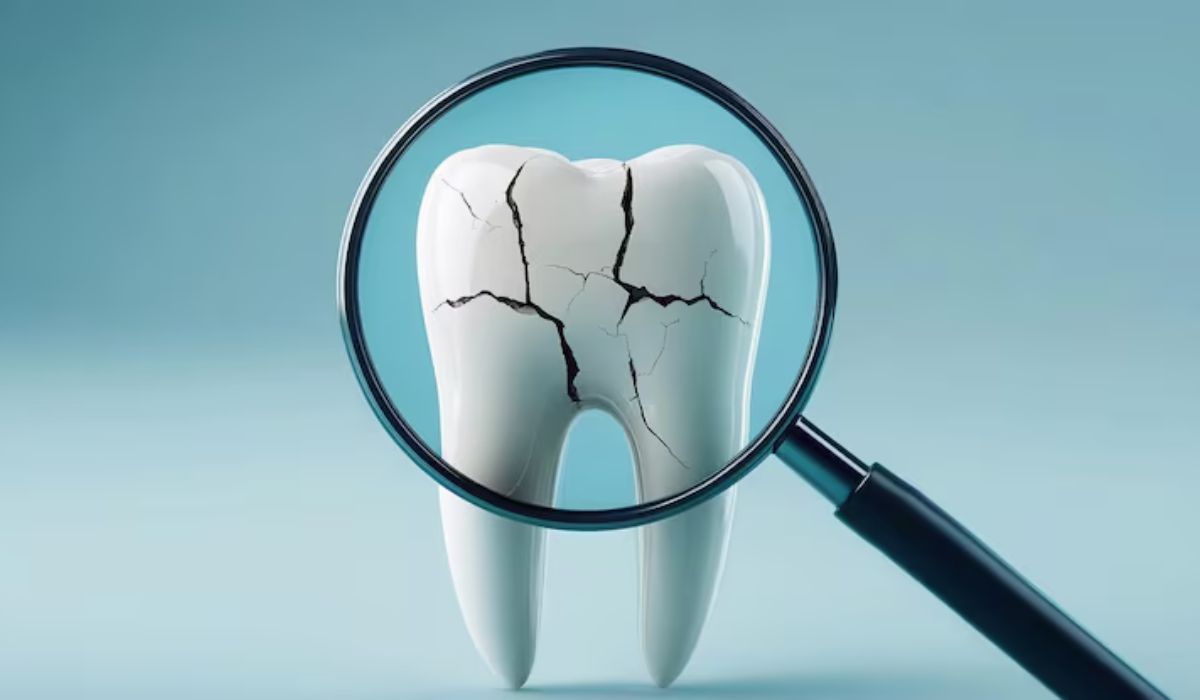
- Cracked teeth
- Loose teeth after impact
- Deep chips exposing nerves
- Jaw pain after collisions
- Swollen gums around injured teeth
- Cuts inside the mouth
A broken tooth sports accident can seem manageable during the first day or two. Then the pain starts getting worse because the crack reaches deeper into the tooth or bacteria reach the nerve.
This is why sports-related injuries should never be ignored just because the bleeding stops.
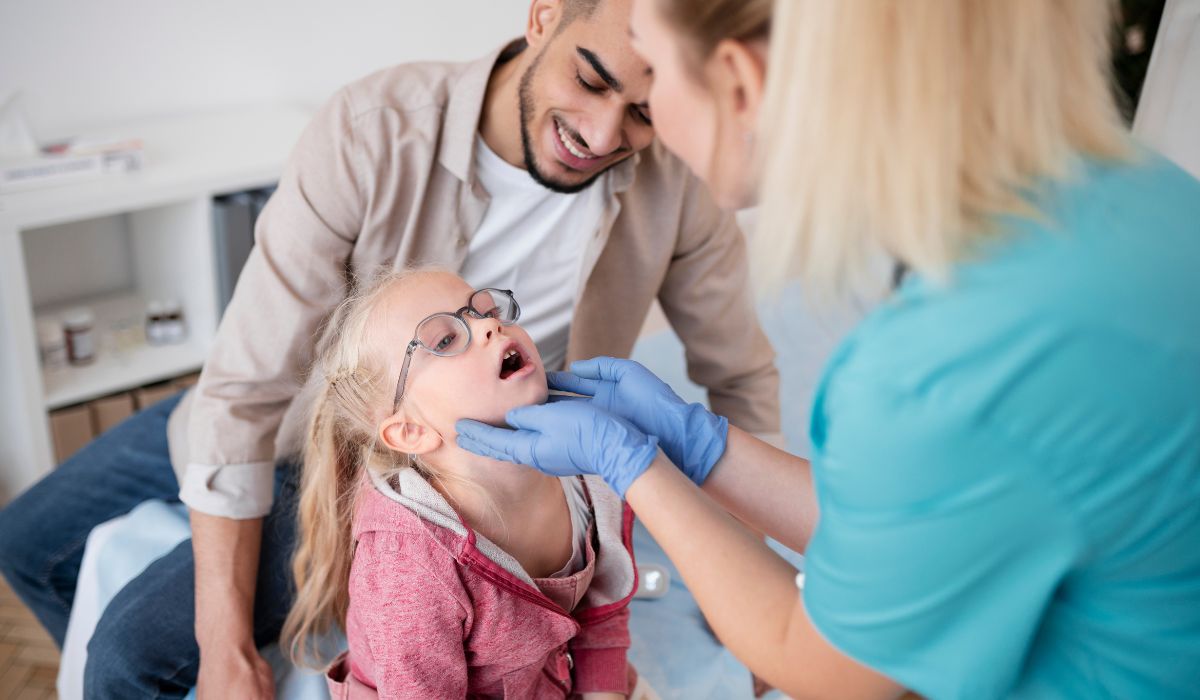
What Happens During Emergency Treatment
At Olive Family Dentistry, the first step during an emergency visit is checking the full extent of the injury. A sports impact can damage multiple teeth or the jawbone itself, even when the patient only notices one obvious problem.
Our dental emergency procedures often include:
- Dental X-rays
- Cleaning the injured area
- Stabilising loose teeth
- Repositioning teeth if possible
- Checking for fractures
- Planning follow-up care
Some cases require splinting the tooth to nearby teeth so it can stay steady while it heals, not exactly like nothing happened. Other cases might need root canal treatment later, because the nerve inside the tooth got bruised or damaged during the impact; it’s not always obvious at first.
And sometimes even after every effort, the safest option turns into tooth extraction in Burbank, if the injury is too severe to repair in a reasonable way.
Prevention Makes a Bigger Difference Than People Realize
One thing that we notice after years of treating these kinds of injuries is how often they could have been reduced, or basically avoided, with proper protection. Mouthguards aren’t flawless, but they lower the odds of major damage quite a bit during contact sports.
Simple athletes' tooth protection tips include:
- Wearing a fitted mouthguard during games and practice
- Replacing worn-out mouthguards early
- Avoiding loose store-bought guards when possible
- Getting dental checkups before sports seasons begin
A bunch of athletes put most of their attention on helmets and sort of just, forget that teeth are still out there, exposed when an impact happens.
What Happens If the Tooth Cannot Be Put Back On
If the tooth can not be saved, the plan starts aiming at shielding the rest of the mouth while also talking through replacement ideas. Losing a tooth changes chewing, bite alignment, and even self-assurance more than most people think, particularly for younger players.
Depending on the situation, treatment may include:
- Temporary replacements
- Bridges
- Dental implants
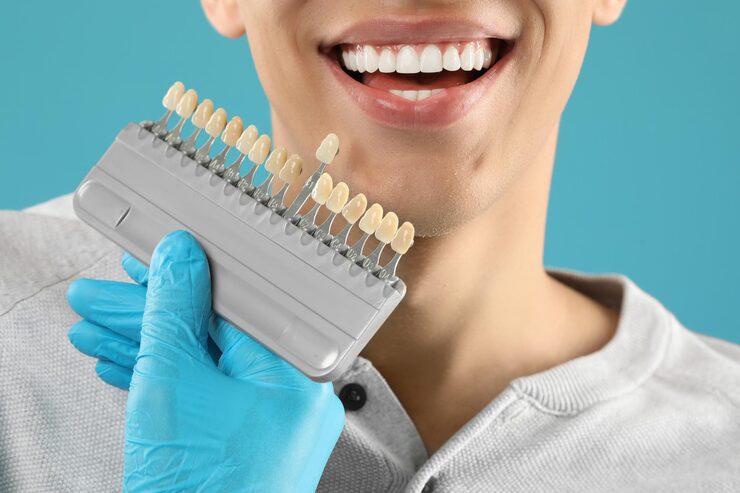
- Cosmetic repair for surrounding teeth
At Olive Family Dentistry, we really take time to walk through the options clearly, because when something urgent comes up, the whole situation already feels stressful enough. A lot of people searching for an affordable dentist in Burbank are juggling unexpected injuries and also making fast decisions about what to do next, right away.
Why Preventive Care Still Matters
Most people link a preventive dentist with cleanings and routine exams, but prevention matters in more ways than that. Dental checkups help spot weak teeth, damaged restorations, or bite problems that can raise the chances of injuries during sports or even day-to-day activities.
Preventive care also helps athletes:
- Catch small cracks early
- Replace failing dental work
- Get fitted properly for mouthguards
- Reduce future complications after impacts
Protecting teeth before an injury is always easier than rebuilding them afterward.
Conclusion
A knocked-out tooth from sports can sometimes be saved, but quick action matters a lot more than people realise. The way the tooth is grabbed, how it is stored, and how fast emergency care begins all affect the end result.
Even when the tooth cannot be reattached, modern dentistry still offers patients solid treatment avenues for restoring their smile and supporting long-term oral health. The main point is to get help promptly, not sit around waiting, and hoping it just improves on its own.
FAQs
1. Can a tooth that gets knocked out during sports really be saved?
Yeah, a number of knocked-out teeth can still be saved if treatment starts soon enough. The whole deal is about quick action, the right storage, and careful handling; it all boosts the odds a lot. A lot of sports dental injuries become much harder to manage just because too much time has passed before emergency care arrives.
2. What are the correct first aid steps for a tooth avulsion?
The main tooth avulsion first aid steps are: grab the tooth by the crown only, rinse it gently if it’s dirty, don’t mess up the root, and then keep it in milk while you’re on the way to the dentist. The tooth needs to stay wet, moist, basically alive-feeling, if you want successful treatment later.
3. Should I go to an emergency dentist after breaking a tooth in a sports accident?
Yes. If you break a tooth during sports, it can expose nerves, create deep cracks, or injure the root under the gums. Even when the discomfort feels mild at first, the injury can get worse over time without proper dental treatment.
4. What dental injuries happen often in sports?
Some of the more common sports dental injuries include chipped teeth, loose teeth, knocked-out teeth, jaw injuries, and cuts inside the mouth. Contact sports, falling down, and direct hits to the face are usually the main triggers for these problems.
5. How can athletes lower the risk of dental trauma?
A few practical mouth-guard-related tips help: wear a mouthguard that fits properly, replace the mouthguard when it gets worn or damaged, and schedule a dental check after any facial hit. Taking these preventive steps reduces the chance of serious dental trauma during training or games.