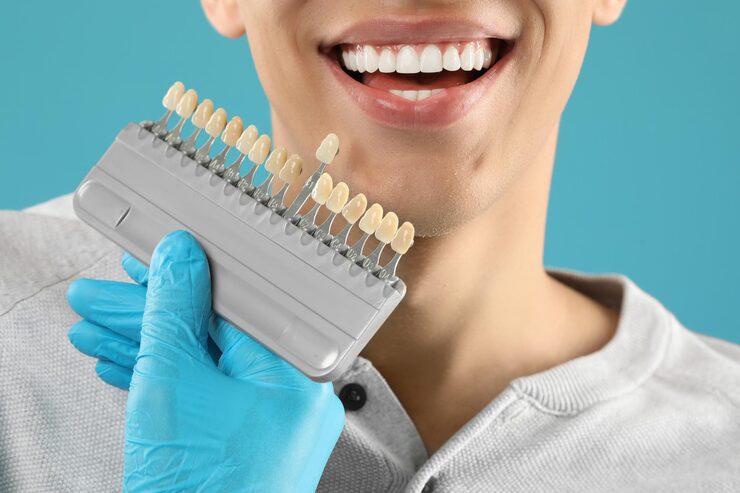
The Safe Way to Whiten Your Teeth: What Your Dentist Wants You to Know
February 24, 2026 | By Olive Family Dentistry | Read Time : 5 min

Everyone wants whiter teeth. That part isn’t complicated. What is complicated is figuring out how to do it safely without damaging your enamel or wasting money on products that barely work.
At Olive Family Dentistry, we see patients all the time who tried whitening strips, charcoal pastes, random internet hacks, and even baking soda mixtures. Some of it helps a little. Some of it causes sensitivity. A few things actually do more harm than good.
So here’s what we want you to know before you jump into whitening your teeth.
Not All Whitening Is the Same
There’s a big difference between store-bought kits and professional whitening done by a
Teeth Bleaching Dentist.
The products you find in stores contain bleaching agents that have lower strength than professional-grade whitening products. The products are safe for general use because their results take time to show and their effects remain mild. For some people, that state is acceptable. The situation causes annoyance to other people.
The whitening procedure used by professionals delivers superior results because it provides better control and customized treatment for your dental needs. Our assessment process begins with a complete evaluation of your enamel condition, existing dental restorations, and gum tissue health. The product makes a significant impact.
Whiter Teeth Start With Healthy Teeth
This part gets skipped a lot.
If you have untreated cavities, gum inflammation, or worn enamel, whitening shouldn’t be your first step. Whitening on unhealthy teeth can cause pain or uneven results.
Sometimes what people think is staining is actually buildup. A professional cleaning alone can brighten your smile more than you expect.
Sensitivity Is Common, But It Shouldn’t Be Extreme
Teeth sensitivity after whitening isn’t unusual. But severe pain? That’s not normal.
When whitening is supervised properly, we adjust the strength and timing to minimize discomfort. If you’ve tried whitening before and it hurt badly, that doesn’t mean you can’t whiten again. It just means it wasn’t done carefully.
We pay attention to those details.
Not All Stains Respond the Same Way

There are two main types of staining: surface stains and deeper intrinsic stains.
Surface stains from coffee, tea, wine, or smoking usually respond well to bleaching. Deeper discoloration from medication or trauma can be more stubborn. In those cases, whitening may help somewhat, but other cosmetic options might work better.
That’s why we evaluate before promising anything.
Whitening Isn’t Permanent
This surprises people.
Even professional whitening doesn’t last forever. Habits matter. Coffee every morning, red wine at night, smoking — they all shorten the lifespan of your results.
That doesn’t mean whitening isn’t worth it. It just means maintenance matters. Occasional touch-ups keep your smile looking consistent.
Social Media Whitening Hacks Can Backfire
We’ve seen patients come in after trying home remedies they found online. Lemon juice. Activated charcoal. Hydrogen peroxide mixtures that were far too strong.
The problem is that enamel doesn’t grow back. Once it’s damaged, it’s damaged. Whitening should brighten your smile, not thin your enamel.
A teeth bleaching dentist understands the chemistry behind whitening agents and how to protect your teeth during the process.
Crowns and Fillings Don’t Whiten
This is important.
If you have visible crowns, bonding, or fillings, whitening won’t change their color. That can create uneven shades.
Sometimes we recommend whitening first and then matching any visible restorations afterward.
Is Professional Whitening Worth It?

For many patients, yes. The results are more noticeable, more even, and more controlled than over-the-counter products. And you’re monitored throughout the process.
But it’s not about selling you something. It’s about doing it safely. Whitening should enhance your smile, not create new problems.
The Bottom Line
If your teeth are healthy and you want a brighter smile, whitening can absolutely help. But skipping the dental evaluation step is where people run into trouble.
At Olive Family Dentistry, we look at the full picture first. We talk through options. We adjust treatment based on your comfort level. And we don’t rush the process.
A whiter smile feels good. But a healthy smile comes first, always.
If you're looking for guidance from a trusted
General Dentist, professional evaluation before whitening ensures safer, longer-lasting results.
FAQs
1. How does Olive Family Dentistry ensure safe teeth whitening treatments?
At Olive Family Dentistry, we always evaluate your oral health before starting any whitening procedure. As a trusted teeth bleaching dentist, Olive Family Dentistry carefully checks your enamel, gums, and existing dental work to ensure treatment is safe. This approach helps prevent sensitivity, uneven color, or long-term damage while delivering noticeable results.
2. How long do professional whitening results usually last?
Professional whitening results can last anywhere from several months to a few years, depending on your lifestyle and oral hygiene habits. Drinking coffee, tea, soda, or red wine frequently may cause stains to return sooner. Regular cleanings and occasional touch-up treatments help maintain a brighter, consistent smile over time.
3. Can a general dentist whiten teeth during a routine visit?
Yes, a general dentist can provide professional whitening options alongside routine dental care. However, the dentist will first examine your teeth and gums to ensure there are no untreated cavities or gum concerns. Addressing underlying issues first makes whitening safer and more effective.
4. Is professional whitening better than store-bought kits?
Professional whitening typically delivers stronger and more even results because it uses higher-quality materials under dental supervision. Store-bought kits can work for mild staining, but they often produce slower and less noticeable changes. Supervised treatment also reduces the risk of gum irritation and excessive sensitivity.